Transport Corridors: Strategic Arctic Passages
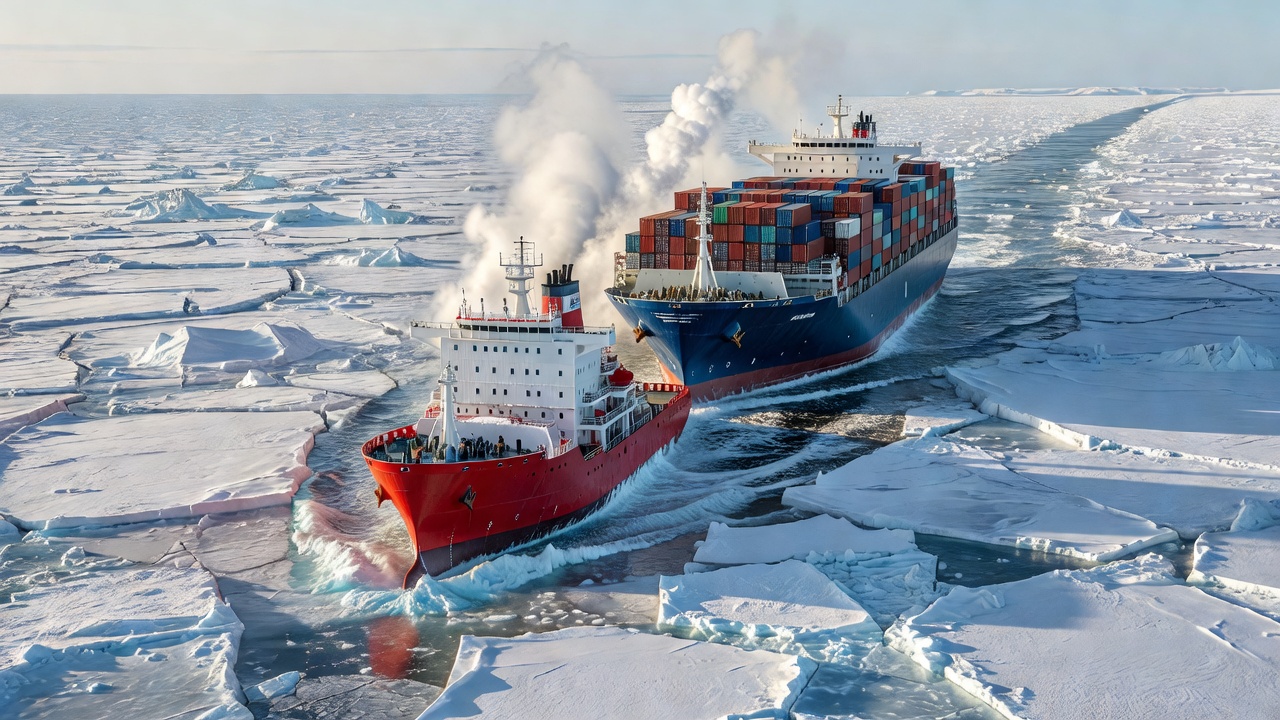
Shortening ocean voyages by thousands of nautical miles, northern passages are evolving from extreme maritime experiments into year-round logistical spines.
Climate factors, vessel metallurgy advancements, and autonomous satellite navigation systems have converged to expand commercial transit through high-latitude channels. What was once restricted to a narrow 45-day summer transit window now operates under regulated convoy schedules spanning eight months annually. Ports in Tromsø, Narvik, and Kirkenes have consequently seen unprecedented capital investments aimed at handling containerized cargo transfer directly to European standard-gauge rail lines.
Comparison: Northern Route vs. Traditional Suez Corridors
Shippers comparing transit metrics between Northern European distribution hubs and North Pacific manufacturing centers report substantial fuel and time savings:
| Routing Passage | Rotterdam to Yokohama | Fuel Consumption Index | Chokepoint Risk Level |
|---|---|---|---|
| Northern Sea Passage | 18-21 Days | Base -34% | Environmental / Weather |
| Suez Canal Route | 32-36 Days | Base 100% | Geopolitical Chokepoints |
| Cape of Good Hope | 42-48 Days | Base +28% | Bunkering Availability |
Inland Rail Connectivity: The Botnia-Barents Link
A maritime passage is only as efficient as its landward clearance infrastructure. The dual-tracking and electrification of the Botnia Railway line down the Swedish coastal plain, alongside cross-border transshipment yards in Haparanda-Tornio, ensures that heavy cargo offloaded in sub-Arctic deep-water ports reaches industrial production centers in Germany and France within 72 hours of berthing.
Our infrastructure correspondents remain stationed at major terminal points, tracking weekly vessel drafts, pilotage fees, and safety compliance records to deliver uncompromising technical reporting.