Diplomatic Pacts: Multilateral Accords
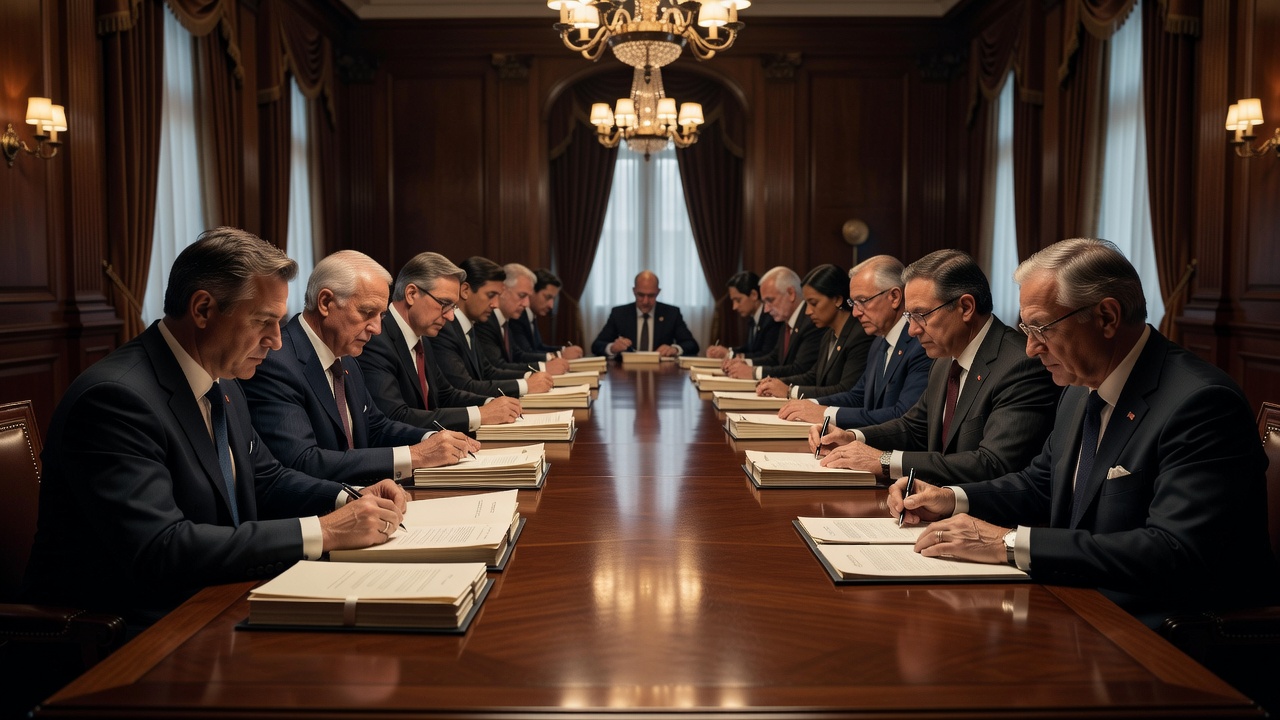
The evolution of non-binding communiques into legally enforceable bilateral frameworks defines international statecraft in 2026.
Modern diplomatic architecture has pivoted rapidly away from sprawling, non-binding global conferences toward modular, issue-specific covenants between regional stakeholders. Over the past twelve months, the Nordic Council, alongside observers from the Arctic Council and the Baltic Sea Parliamentary Conference, has pioneered a series of specialized administrative protocols designed to manage transit corridors, deep-sea research territories, and airspace navigation rights without demanding sweeping geopolitical alignment.
The Helsinki Neutral Waters Harmonization Protocol
Among the most impactful treaties ratified this quarter is the Helsinki Neutral Waters Harmonization Protocol. Ratified by seven coastal sovereign entities, the agreement stipulates that critical fiber-optic telecommunications backbones and undersea power conduits laid within international waters must remain protected under standardized mutual inspection regimens. Under the agreement, no individual naval authority may conduct unilateral interventions around identified conduit corridors without joint observer missions.
| Accord Name | Primary Signatories | Scope | Status |
|---|---|---|---|
| Helsinki Neutral Waters | Sweden, Finland, Denmark, Estonia | Undersea Fiber & Grid Conduits | Enacted Q1 2026 |
| North Sea Airway Buffer | Norway, UK, Netherlands, Germany | Air Traffic Management | Ratified |
| Skagerrak Fishery Compact | Norway, Sweden, Denmark | Resource Quotas & Satellite AIS | In Review |
Decentralized Verification Mechanisms
Historically, compliance with multilateral treaties relied heavily on centralized international tribunals based in The Hague or Geneva. However, modern bilateral accords increasingly incorporate mutual verification arrays—integrating commercial radar data, open-source transponder telemetry, and automated environmental sensors. By removing ambiguity at the boundary lines of sovereign maritime jurisdictions, state actors reduce friction before localized misunderstandings escalate into strategic crises.
The Bureau continues to monitor active treaty negotiations across the Baltic, Aegean, and North Atlantic corridors, providing minute-by-minute transcriptions as technical annexes are published by signatory secretariats.
Need situational dossiers for policy analysis?
Our diplomatic correspondents prepare verified, encrypted briefs for institutional observers, researchers, and trade councils.
Submit Inquiry to Bureau